
Carnival Glass 101 | home Quick Reference to Carnival Glass Patterns
History of Jeannette Glass
HISTORY OF JEANNETTE GLASS COMPANY
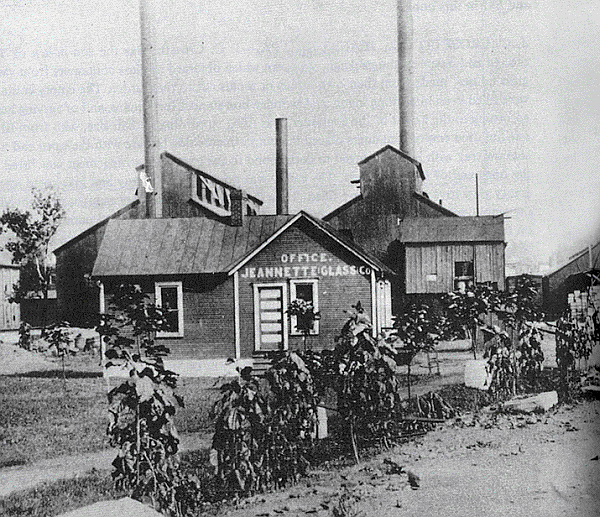
Jeannette Glass Company - 1920
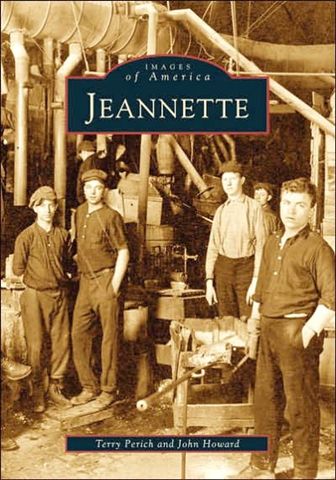
Photo-Courtesy Daniel Morneau.
The Jeannette Bottle Works Company was founded in 1887 in Jeannette, Pennsylvania. At this time in their history they only produced handmade bottles.
In 1899, Jeannette Bottle Works joined the machine age and became the Jeannette Glass Company. With the new machinery (O'Neil semi-automatic bottle blowing machine), Jeannette Glass was soon producing canning jars, relish jars and automobile headlight lenses.
Jeannette Glass continued to expand and by 1904, they added medical supplies and household items to their production line.
In the early 1920s, new machinery was added and Jeannette Glass began producing tableware items. This cheaply made and brightly colored tableware became known as Depression Glass and is highly collectible today.
In 1961, the Jeannette Glass Company acquired the old McKee Glass factory which was also located in Jeannette, Pennsylvania. Together they produced many beautiful glass patterns until 1983. Due to a failing American market, Jeannette Glass shut down in 1983.
Some of the Jeannette Patterns and Colors -
Adam - Crystal, Blue, Green, Pink and Yellow.
Anniversary - Crystal, Gold Iridescent, Pink and Platinum.
Baltimore Pear - Crystal
Butterfly - Crystal with Gold Trim and Gold Iridescent.
Camellia - Crystal and Crystal with Gold Trim
Cherry Blossom - Crystal. Blue, Green, Jadite, Pink and Yellow.
Crackle - Marigold Iridescent
Cube or Cubist - Crystal, Amber. Blue, Canary Yellow, Green, Pink, Ruby Flash, Ultramarine. Milk Glass.
Dewdrop - Crystal
Diamond Point - Crystal, Amber, Amberina, Amethyst, Blue, Sage Green, Ruby, Teal.
Doric And Pansy - Crystal, Pink, Teal, Blue, Gold Iridescent, Yellow.
Egg Nog - Marigold Iridescent
Feather - Crystal, Crystal with Gold Trim, Blue.
Floragold - Marigold Iridescent
Floral aka Poinsettia - Crystal, Amber, Blue, Green, Jadite, Pink and Yellow.
Glassbake - Crystal and Milk Glass
Gondola - Blue, Crystal with Gold Trim, Marigold Iridescent, Milk Glass.
Hellenic - Blue, Cranberry, Green, Milk Glass
Hex Optic - Crystal, Green, Gold Iridescent, Pink, Ultramarine.
Holiday - Crystal, Gold Iridescent, Pink.
Homespun - Clear, Pink, Yellow
Iris and Herringbone - Amethyst, Blue, two tone Blue - Green, Crystal, Green, two tone Green - Yellow, Gold Iridescent, Milk Glass, Pink, two tone Red - Yellow, Frosted two tone Red - Yellow, Ruby Flash, Ruby Flash with gold trim.
Jenny Ware - Blue, Green
Lombard - Crystal, Milk Glass, Amber, Blue, two tone Blue - Green, Gold Trim, Green, Gold Iridescent
Louisa - Amberina, Blue, two tone Blue - Green, Crystal, Gold Iridescent, Pink.
National - Crystal, Crystal with Gold Trim, Ruby Flash
Shell Pink Milk Glass - Pink
Sierra - Green, Pink, Ultramarine
Sunburst "Herringbone" - Crystal
Sunflower - Blue, Green, Pink.
Swirl - Amber, Blue, Ice Blue, Pink, Ultramarine.
Thumbprint - Crystal, Crystal with Gold Trim, Amber.
Tree Bark Variant - Crystal, Marigold Iridescent.
Tree Bark - Marigold Iridescent
Venetian - Gold
Wedding - Amberina, Blue, Crystal, Crystal with Gold Trim, Green, Marigold Iridescent, Red.
Windsor - Crystal, Blue, Green, Ice Blue, Marigold Iridescent, Milk Glass, Pink, Red, Yellow, Amber.

back to Carnival Glass 101
Should you care to contact the Frys, their email address is:
Search Carnival Glass 101
Our other sites you may enjoy:
Everything you EVER wanted to know about Indiana Glass
Great Reference for Newer Carnival Glass.
Complete Glassware Catalogs Available to Download
Questions? Comments? Suggestions? Broken Links? Corrections?
Your Friendly Webmaster is here to help!